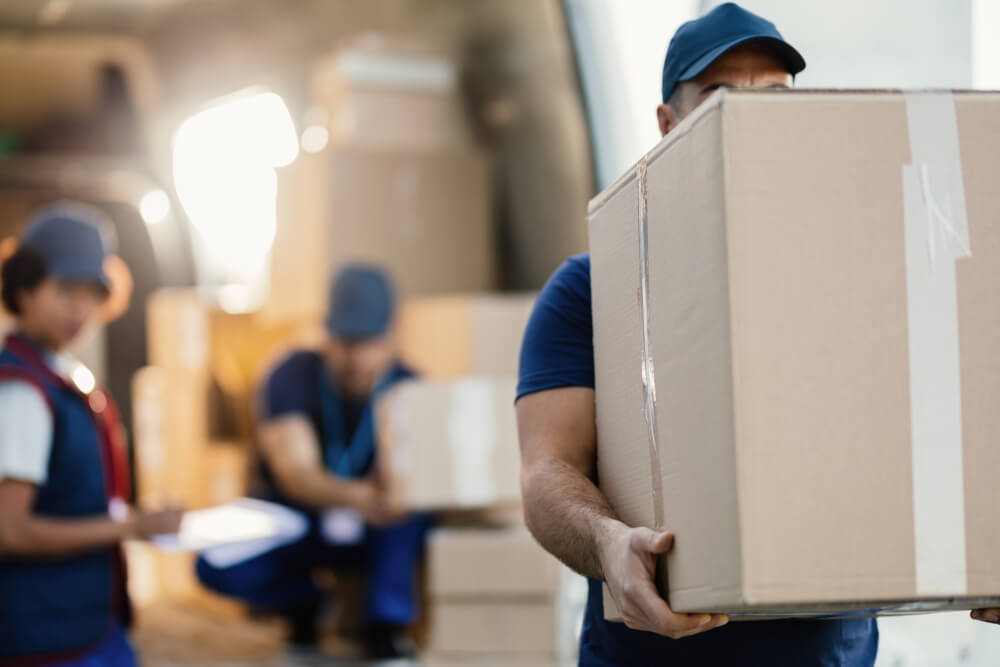
Better Home Moving Approaches For Towson

Moving into a new home is not only about transporting furniture from one place to another. It also involves adjusting to a different environment, managing timelines, and making sure every step is organized before the moving truck arrives. For residents preparing for relocation in Maryland, a helpful starting point is to contact us at towsonmovers.com to explore available moving assistance and useful guidance before finalizing your relocation plans.
A well-managed move depends on preparation, communication, and realistic expectations. When homeowners take time to organize each stage of the process, they often avoid the common issues that appear during rushed relocations. From sorting belongings to understanding transportation logistics, every small step contributes to a smoother transition into the next home.
Evaluating Moving Needs Before Final Decisions
Every relocation begins with understanding what type of move you are planning. A small apartment relocation may require fewer resources, while a large household move may involve several workers and a bigger truck.
Homeowners should begin by identifying the volume of belongings that need to be transported. Furniture, appliances, and boxed items all contribute to the total moving load. Estimating this early allows moving companies to recommend the correct equipment and vehicle size. Another important consideration is access to both properties. Narrow staircases, elevators, and limited parking areas may affect how movers handle loading and unloading. Knowing these details in advance allows moving professionals to prepare the right strategy. Consumers can also learn about their rights and responsibilities during relocation by reviewing guidance from the Federal Motor Carrier Safety Administration.
Researching Regional Moving Providers Carefully
Selecting the right moving company requires more than choosing the first name that appears online. Homeowners should review the company’s experience, customer feedback, and service options before making a final decision.
Start by requesting estimates from several moving providers. Comparing quotes helps you understand the average price range and prevents paying more than necessary. When reviewing quotes, confirm what services are included, such as loading, furniture handling, and transportation. If you are comparing companies operating in nearby locations and want to explore another regional service provider, you can visit site oldbridgemovers.net to learn about moving services available in the Old Bridge area and review their relocation support options. Researching multiple providers helps homeowners identify reliable movers with experience handling similar relocations.
Sorting Household Belongings Before Packing Begins
One of the most effective ways to simplify relocation is to reduce unnecessary belongings before packing begins. Many homeowners realize during this stage that they own items they rarely use. Start by separating belongings into three categories: keep, donate, and discard. Items that have not been used for years may no longer need to travel to the new home. Clothing, books, small appliances, and decorative items often accumulate over time. Donating gently used items can reduce packing volume while helping local organizations. Sorting items before packing also helps you organize belongings by room. This step makes unpacking easier when you arrive at the new property.
Labeling Boxes Clearly For Faster Unloading
Clear labeling may seem simple, but it plays a major role during moving day. Without labels, movers may place boxes in the wrong rooms, which can create confusion during unpacking. Each box should include the room name and a brief description of its contents. Labels such as kitchen utensils, bedroom linens, or office supplies help movers understand where items belong. Some homeowners also use colored stickers or numbered systems to organize boxes by room. This method makes unloading faster and reduces the time required to sort items later. Proper labeling also helps identify fragile items that require extra attention during transportation.
Protecting Furniture And Large Household Items
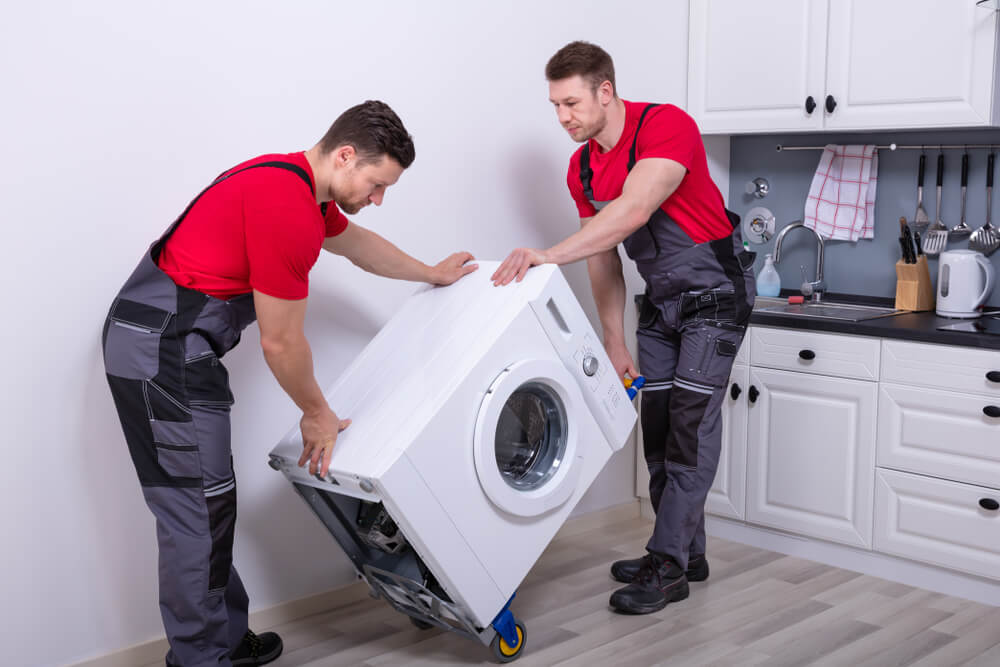
Large furniture pieces often represent the most valuable items in a home. Protecting them during transportation is an important part of the relocation process. Movers usually wrap furniture using protective blankets, shrink wrap, or padded materials. This helps prevent scratches or dents while items are being carried through doorways or hallways. Before moving day, homeowners should remove loose components from furniture when possible. Table legs, shelves, and detachable parts can be packed separately to avoid damage. Taking photos of valuable furniture before the move can also help document its condition in case any issues appear after transportation.